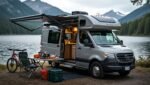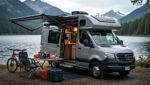
So, Why Buy an RV Anyway?
Ever wondered why people trade predictable vacations for months on the road – and then never look back? You buy an RV because it hands you control: where you sleep, when you move, who you meet, and how much you spend doing it. It’s not just a vehicle, it’s a choice to prioritize experiences over schedules, to keep your gear with you, and to wake up to a different view without packing and unpacking like a maniac.
And yeah, it’s an investment, but think of it as buying freedom that also doubles as a tiny, mobile home. You can work from a canyon one day and a seaside campsite the next, cook meals you actually like, and have your dog stretched out at your feet without cabin fever. Who else gives you that kind of flexibility?
The Freedom of the Open Road
What if you could decide on Tuesday morning to chase the coast and be there by dinner – would you do it? You get to call the shots, slow down when a place grabs you, speed up when it doesn’t, or detour for that quirky roadside attraction nobody warned you about. The road lets you be spontaneous, and that spontaneity is addictive in the best way.
You also learn to travel light in a new sense: you choose priorities, pare down the noise, and your vacations become about places and people instead of logistics. And when things go sideways – breakdowns, weather, wrong turns – you’re part of a community, swapping tips and coffee, which somehow makes the rough patches feel like stories you’ll laugh about later.
Finding Home Away From Home
Ever asked yourself what ‘home’ really means when you take it on the road? For you, home becomes a curated box of comforts: your own bed, a coffee setup that actually works, the mug you like, and a layout tweaked to your habits so mornings and evenings feel familiar no matter where you park. That familiarity lowers stress big time, trust me.
You’ve got storage for things you actually use, room for the dog, and the freedom to cook what you want, not whatever’s on the restaurant menu at the exit. You can personalize lighting, fabrics, and tech so the space fits you – it’s small, but it’s yours, and that matters on long trips.
Practical tip: think about flow more than flash – where you store food, how the bed converts, where outlets sit for your devices – because smart layout choices make daily life smoother and turn a camper into a true second home.
Let’s Talk Costs and What You Really Get
Prices for new Winnebago units generally range from about $60,000 for compact travel trailers up to $350,000 for the largest Class A motorhomes, so you get a pretty wide spectrum depending on what you want. You’re buying more than wheels and walls – think factory-installed kitchens, integrated electrical systems, insulation, chassis engineering and a brand name that matters when it comes to resale; some models come loaded with tech and creature comforts, others keep it simple so you can personalize later, and yes, options will balloon the sticker fast – expect that.
Beyond sticker price you’re paying for build quality and convenience, plus dealer prep, warranties and a support network that actually matters when you’re on the road and something breaks. You can haggle accessories, choose used to save, or opt for turnkey new rigs – your choice will dictate what you really get, and how long it’s going to feel worth it.
Is It Worth the Investment?
Resale values vary – many Winnebago models hold roughly 40-60% of their original value after five years depending on condition, mileage and demand, which tells you something about long-term value. If you use it a lot and keep it well maintained you’ll feel that it paid off, but if it sits in a driveway most of the year you’ll wonder why you didn’t just rent instead; do the math on trips-per-year and you’ll have your answer pretty quickly.
If you travel frequently and want the freedom of your own space it usually is worth it, plain and simple. Want occasional weekend escapes? Maybe not – rentals, borrowing or shorter leases can be cheaper and less of a headache, so weigh lifestyle against ongoing costs before you sign on the dotted line.
Value depends on how you use it.
Hidden Costs and Surprises
Average annual RV upkeep often runs $1,000 to $3,000, not counting fuel, storage or campsite fees, and that’s where a lot of folks get surprised. You think you paid for the rig and that’s it – nope, you’ll be paying for roof seals, tire replacement, routine chassis service, water system maintenance, and small stuff that adds up quicker than you expect.
Insurance, registration and specialized repairs can spike if you’ve got diesel engines, slide-outs or customized systems – parts aren’t always cheap and service shops that actually know your model can be sparse in some regions, so travel logistics matter. You’ll want a maintenance plan or at least a rainy-day fund because stuff will fail at the worst times, and yes, warranties have limits and exclusions you’ll want to read.
For example, expect things like a new battery bank or inverter to be a few hundred to over a thousand dollars, awning repairs a few hundred, roof resealing a few hundred to a grand depending on scope, and tires that can run $300-$600 each for motorhome-grade rubber; these are the line items that bite you later. If you factor those into ownership upfront you won’t be blindsided, and you’ll make smarter choices on model, options and where you store and service your rig.
My Memories Are Priceless – Seriously
You wake up to a sliver of sunrise squeezing through the blinds, the smell of last night’s campfire still in the air, and your dog nudging your arm because it’s time to explore – that’s the kind of morning money can’t buy. You might’ve chased a strict budget when you bought your Forest River, but the stupid little moments – burned coffee that somehow tastes awesome outdoors, the wrong turn that led to a hidden lake, the sunset that made everyone shut up for a second – those are the payoffs you don’t tally on a spreadsheet.
Owning a motorhome changes the way you prioritize days; you trade rigid plans for spontaneity, and you start measuring trips by stories not miles. You know the specs, you know the warranty, but what sticks with you are the little shared glances, the late-night conversations, the times you fixed a leaky valve with duct tape and laughs – and those stick for life.
Adventures That Money Can’t Buy
One afternoon you pulled off the highway because the map showed “scenic overlook” and it turned out to be the most insane view of the valley – no crowds, no fee, just you and that ridiculous sky. You’d paid for the rig, sure, but you didn’t pay for that hush or the way the light hit the ridge – that’s serendipity, plain and simple. Ever had a plan evaporate and the “mistake” become the whole point? That’s the sweet spot.
What your Forest River hands you is freedom – the kind where you can chase weather, camp near a river, or bail on plans when a better idea shows up. You get moments that no bank account could manufacture.
Those are the memories you actually keep.
Making Connections and Lasting Bonds
The first time you rolled into a crowded campground and someone waved you into a spot like you were part of the club, you felt it – instant community. You swapped tools, recipes, and a bottle of wine with neighbors you barely knew an hour earlier, and somehow by sunset you’re trading stories like old friends. It’s weirdly easy to bond when you’ve both wrestled with the same awning that won’t cooperate.
On longer trips you notice your own rhythms syncing up with others – shared coffee in the morning, helping a new RVer with propane, impromptu potlucks that stretch into the night. You learn people’s quirks fast, and you build a little network of folks who’ll check on your rig if you’re off chasing a trail for a day. Those bonds outlast campsites and calendar seasons.
Get involved – join a local rally, jump into online Forest River groups, or host a simple cookout at the next stop; you’ll be surprised how fast acquaintances turn into friends. Trade contact info, meet up mid-season, or caravan together for a weekend – small efforts keep the connections alive and give you people to share the next ridiculous sunrise with.
The Real Deal About RV Life
You’re chasing freedom and it’s real, but it’s not always cinematic – sometimes it’s hauling water and locating the nearest dump station at dusk. The highs are huge: sunrise views from your door, spontaneous detours, and the kind of quiet you didn’t know you needed, but the lows sneak up too – electrical quirks, weather that ruins plans, and a wallet that’ll remind you upkeep isn’t optional.
If you want the short version: you trade space for mobility, and that trade-off demands habits – tighter packing, routine maintenance, a willingness to improvise. You’ll get comfortable doing things you never thought you’d do yourself, and you’ll learn the value of good neighbors at a campground in a hurry.
Day-to-Day Living – What to Expect
Have you ever asked what a normal week looks like when your home is on wheels? Mornings will be different – sometimes cooking outside, sometimes squeezed into a tiny kitchen, and sometimes you’ll be rolling out before sunrise because the road called. You’ll spend more time managing resources than you did in a stationary house – water, propane, battery levels – and that becomes second nature pretty fast.
Expect interruptions: weather, generators, hookups that don’t fit, and occasionally people knocking asking where you got your setup. But there’s also loads of freedom – last-minute route changes, weekday beach parking with no crowds, taking work calls from a cliffside picnic table. You’ll adapt, you’ll laugh at your own missteps, and you’ll end up with routines that actually suit the life you chose.
What I Wish I Knew Before Hitting the Road
Did you ever wonder what would blindside you once the novelty wears off? Repairs and breakdowns will be part of your reality – not constant, but they’ll happen when you’re far from home and smiling goes to stress pretty quickly. Insurance, roadside assistance, and an emergency fund aren’t optional extras, they’re the safety net that keeps you moving without panicking.
Plan for repair days – they will happen.
One more thing: your social life changes but doesn’t disappear. You’ll trade some long-term friends for short-term deep connections, and that’s okay – you’ll find a new kind of community that’s more transient but often more generous. Pack patience, a few spare parts you’ll actually use, and a mindset that treats setbacks as part of the adventure, not the end of it.
The Final Verdict – Should You Take the Plunge?
A lot of folks think RVing is either for retirees with endless time or for people who want to rough it forever – that’s not the whole story. If you like control over where you sleep, want to wake up to new views without booking hotels, and can handle a bit of upkeep, your travel life changes in a good way; it’s not perfect but it sure is rewarding, and you can scale it to suit weekends or long seasons away.
It can change how you travel.
My Take on RVing
People often say RVing is all-or-nothing, like you’re either full-time on the road or stuck with a trailer collecting dust – that’s misleading. You can be a weekend warrior, a seasonal explorer, or a full-timer and each works, so ask yourself what fits your life right now, not what Instagram makes it look like; will you enjoy the freedom to stop where you want, cook your own meals, and carry your stuff with you? If yes, you’re already leaning toward a good fit.
You’ll learn fast – about parking, about propane and water and why leveling matters – and you’ll get better at budgeting camp fees and maintenance. But if you’re not into tinkering at all, factor in service costs or a simpler rig; there’s always a middle ground and you don’t have to go extreme.
The Joys and Challenges of RV Ownership
Some people imagine RV ownership is pure joy – endless sunsets and easy living – and they skip thinking about the downsides. Yes, you get amazing mornings, a rolling bedroom and epic road-trip flexibility, but you also deal with breakdowns, storage, and the occasional campground neighbor from… you know, a sitcom. You learn to love small spaces and efficient packing, and you also learn to budget for tires, brake jobs, and the occasional mystery leak.
Owning an RV teaches you practical skills fast, and it gives you a lifestyle you can tweak as you go – more campgrounds, fewer hotels, more backyard stargazing. Will it be worth it? If you value experiences over staying in the same place, often yes – but don’t skip the math or the inspection before you buy.
Don’t assume maintenance is rare – it’s part of the deal, but predictable if you stay on top of things, and if you plan for that you’ll avoid most headaches.